Floors, walls and showers
Tile jobs fall into three groups. A floor-only job replaces worn or cracked tile on a sound subfloor. A wall or wainscot job adds tile behind the vanity or around the room. A shower or tub surround is the most involved, because it needs waterproofing behind the tile as well as the tile itself.
Many older bathrooms in Croton have small hex or square floor tile set in a thick mortar bed. It is durable, but when it cracks, the fix often means taking the whole floor up. A contractor can tell you whether the base is sound enough to tile over or needs to be removed.
Waterproofing is the real job
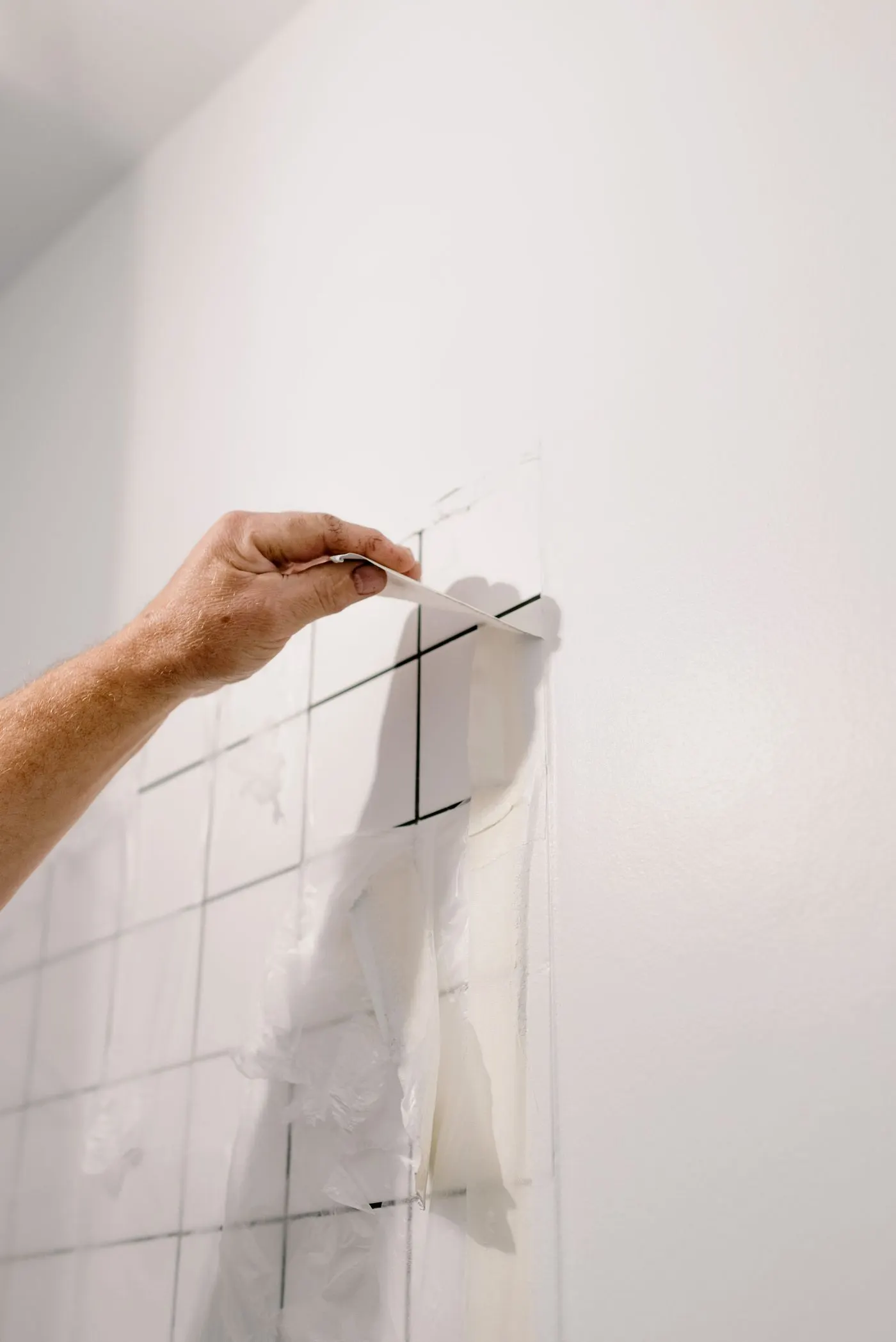
Tile and grout are not waterproof on their own. In a shower, what keeps water out of the walls is the layer behind the tile, usually a sheet or liquid membrane over cement board or foam board, carried down into a sloped shower pan. When people see failed showers with stained ceilings below, this layer is almost always the reason. Ask any contractor what system they use and how they handle the joints, the niche and the valve.
Choosing tile
Porcelain is dense and absorbs very little water, which makes it a good choice for floors and showers. Ceramic is lighter and often less expensive, and works well on walls. Natural stone looks rich but needs sealing and more care. Bigger tiles mean fewer grout lines but need a flatter wall or floor, which can add prep time in an old house. Small mosaic tiles on a shower floor give better grip and follow the slope to the drain.
- Porcelain: dense, good for floors and showers
- Ceramic: light, often less expensive, good for walls
- Natural stone: beautiful, needs sealing
- Mosaics on shower floors: better footing
Questions worth asking
Ask how the contractor will prepare the surface, what backer board and membrane they use, whether the grout is cement or epoxy, and who orders the tile. Buy about 10 percent extra tile so there is some left for cuts and future repairs, and keep a box after the job. Matching a discontinued tile years later is hard.
How to send a request
Plan the timing too. Tile is usually the longest stage of a bathroom job, because membranes, thinset and grout each need time to cure. A shower floor set on a mortar bed may need a day or more before tile goes on. Rushing those steps is how good tile fails early.
Use the estimate form. Tell us the room, which surfaces you want tiled and roughly how big the space is. We pass your request to a local contractor who does bathroom tile, and they will contact you to look at it and price the work.
Typical tile costs
National figures from Fixr. Not quotes.
| Item | Typical range |
|---|---|
| Bathroom tile work, not including shower surround | about $600 to $1,800 |
| Minor bathroom refresh, which can include new tile | about $2,400 to $10,000 |
Rounded national averages, not quotes. Shower surrounds, stone, mosaics and floor leveling cost more.
Sources: Fixr, bathroom remodel
Questions homeowners ask
Can new tile go over old tile?
Sometimes, on a floor that is flat, well bonded and will not end up too high at the door. In showers it is usually a bad idea, because the waterproofing behind the old tile is unknown. A contractor can tell you after looking.
Is grout waterproof?
No. Cement grout absorbs water. Sealing helps, and epoxy grout resists stains better, but the waterproof membrane behind the tile is what protects the wall.
What tile is best for a bathroom floor?
Porcelain is a common choice because it is dense and absorbs little water. Choose a finish with some slip resistance, and smaller tiles on a shower floor for better grip.
Other services
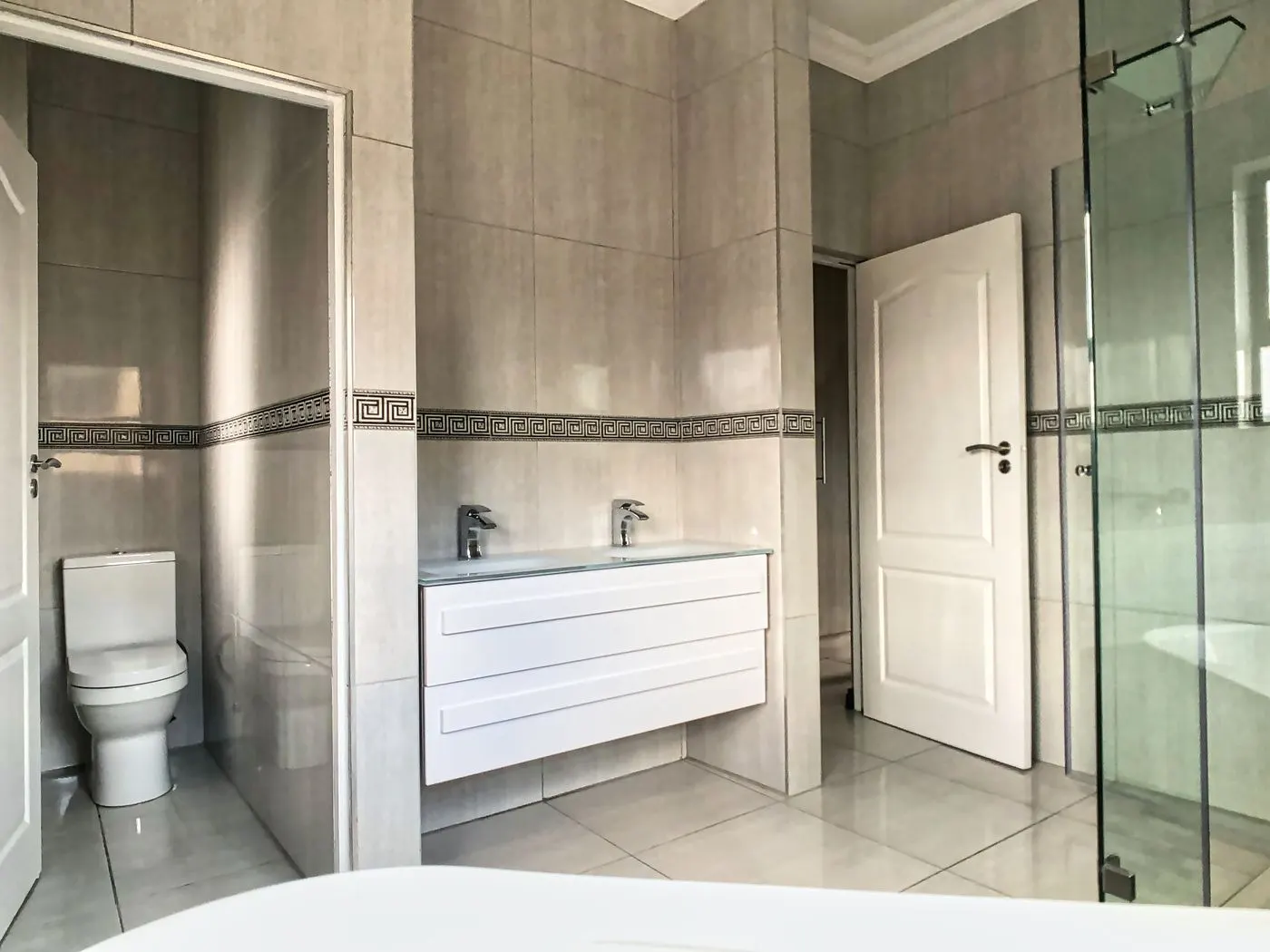
Bathroom remodeling
Full and partial remodels, from new fixtures to a gut renovation.
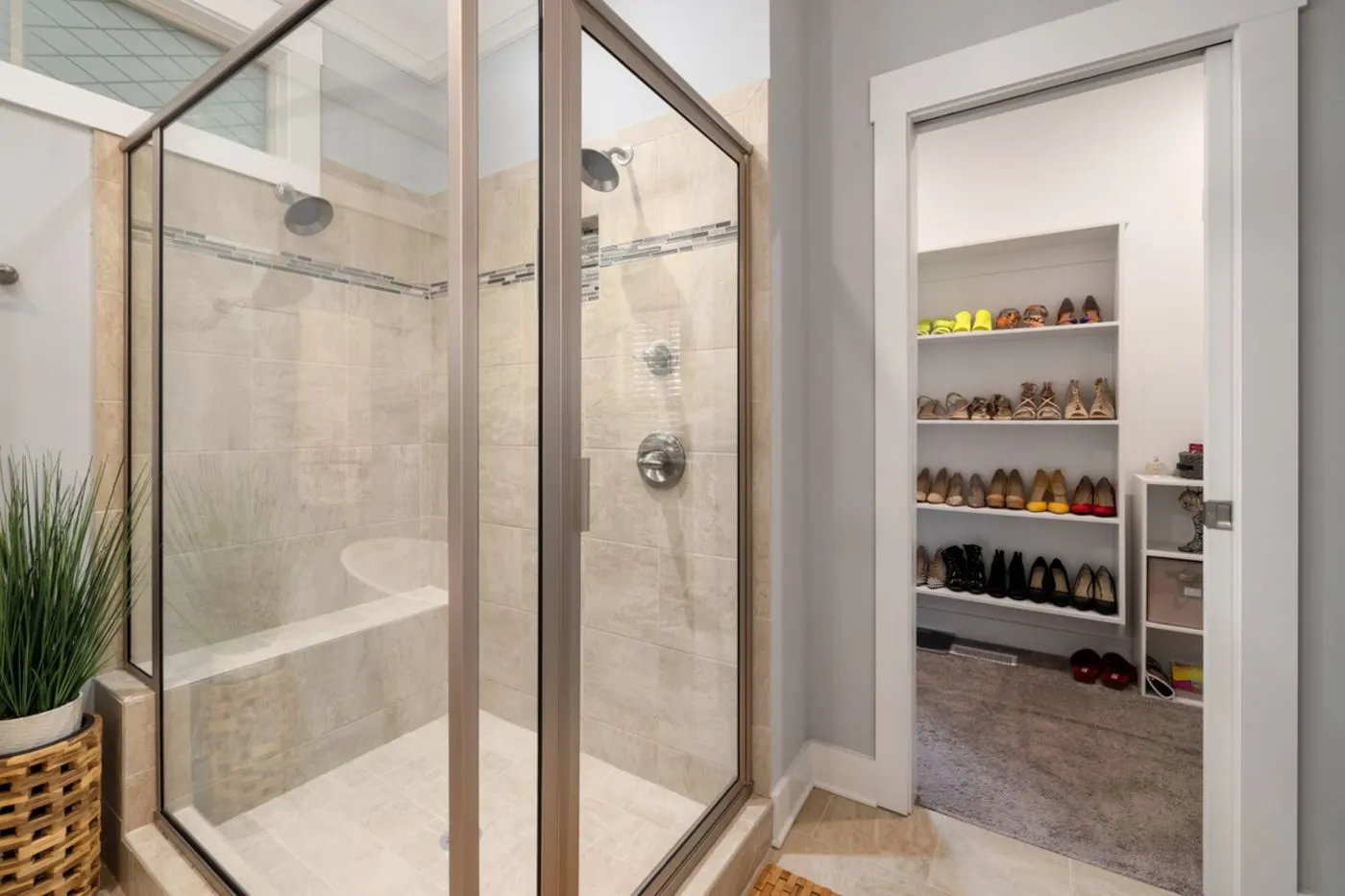
Tub to shower conversion
Swap an unused tub for a walk-in shower.
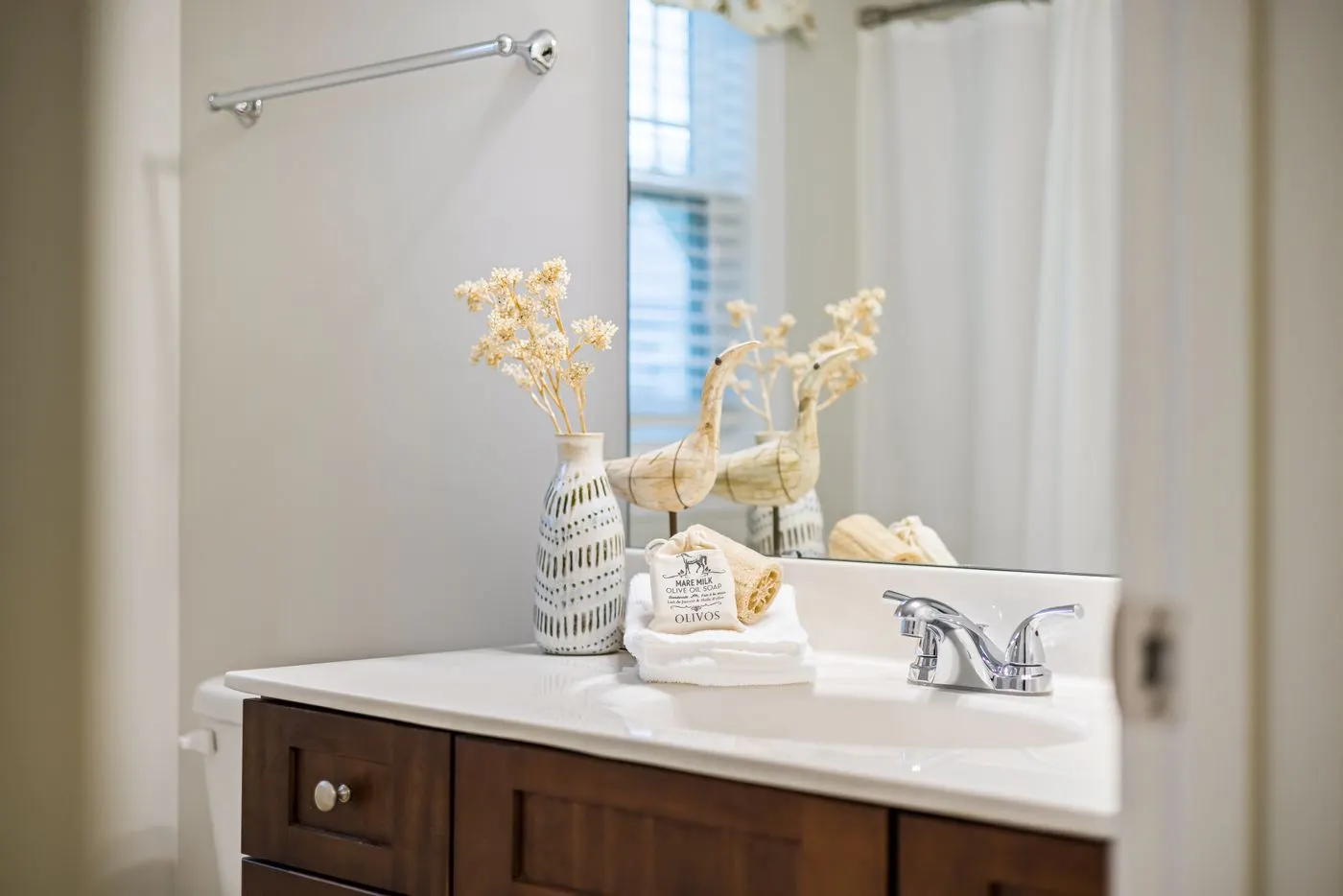
Vanity installation
New vanities, tops, sinks and faucets.
Accessible bathrooms
Grab bars, low-threshold showers and safer layouts.
Small bathroom and powder room updates
Half baths, powder rooms and quick refreshes.